

Real estate is one of the most popular forms of long-term investment. It offers the potential not only to generate steady income but also to appreciate in value over time. However, a successful investment begins with choosing the right property, developing a clear strategy, and carefully evaluating the market. Define Your Investment Goals The first step is understanding what you expect from your investment. Are you looking to generate rental income, preserve capital, or acquire a property with long-term appreciation potential? Your objectives will help determine the type of property, its location, and your investment budget. Focus on Location A property's value is largely influenced by its location. Well-developed infrastructure, accessibility, neighborhood appeal, and future development prospects are important factors that can affect both rental demand and long-term property value. Consider Quality and Actual Costs In the luxury real estate segment, construction quality, architectural design, building amenities, and property management standards are particularly important. Beyond the purchase price, it is essential to consider taxes, maintenance and operating expenses, as well as potential renovation costs. Make Informed Decisions with Professional Guidance The real estate market has its own complexities, and every investment requires an individual approach. Working with experienced professionals can help you assess a property's potential, verify legal documentation, and select an option that aligns with your goals. A successful investment begins with an informed choice. Real estate is more than just a physical space; it is an asset whose true value is shaped by the combination of quality, location, and long-term potential.
Planning to purchase an apartment with a mortgage loan? One of the key stages of this process is preparing the necessary documents correctly and on time. In this video, we explain which documents may be required to buy an apartment with a mortgage and what you should pay attention to when organizing the process. Kentron Real Estate Agency will help you navigate the real estate market with confidence and make an informed decision.

Buying real estate is an important decision, so before completing a transaction, it is necessary to check not only the property’s appearance but also its legal, technical, and financial aspects. 1. Legal Status Check who the legal owner of the property is and whether the property is subject to any mortgage, seizure, or other restrictions. If the property has multiple owners, make sure that all required consents have been obtained. 2. Documents The actual details of the property should correspond to the official documents. Compare the area, floor plan, address, and designated use. If any alterations or reconstruction have been carried out, verify whether they have been legally approved. 3. Technical Condition Assess not only the renovation of the apartment or premises, but also the condition of the building, water supply, electrical system, heating, and any possible moisture issues. 4. Market Price Compare the selected property with similar listings for sale in the same or nearby areas. This will help determine whether the price corresponds to the market value. 5. Transaction Terms Clarify the payment procedure, deadlines, property handover conditions, and any additional expenses in advance. It is advisable to document all important terms. Conclusion When buying real estate, do not rush or rely only on first impressions. A legal review, technical assessment, and market comparison will help reduce risks and make the transaction more secure.
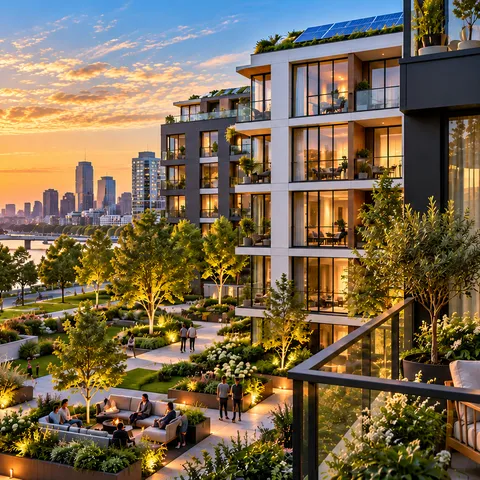
For years, location has been one of the primary factors determining real estate value. While it continues to play a crucial role in 2026, a prime address alone is no longer sufficient. Buyers are increasingly focusing on building quality, optimal apartment layouts, natural lighting, energy efficiency, common areas, and the comfort of the surrounding environment. Modern real estate is less frequently viewed merely in terms of square meters and increasingly as an environment that fosters a high quality of life. What matters is not just the property's location, but also its convenience, efficiency, and long-term value. Today, quality real estate represents a combination of a prime location, a high-quality environment, and well-conceived design solutions.